
Camp Opticon 26 (London): AI requires a different operating model
Introduction
Last week I attended Camp Opticon 26 in London and although it was far from my first time at Opticon, it was in fact my first time that I spent Day 1 not at the Partner Forum, but at the OMVP Summit. Needless to say, this brought back all of the excitement that I felt when I first attended Opticon back in 2022! This blog post isn't about the OMVP Summit but I did want to include that it was awesome spending the day with so many other Optimizely Most Valuable Professionals that I usually only connect with online and occasionally see on stage at Optimizely events. It was also a great preparation for Day 2, when I was joined by several colleagues from iO and a handful of our Optimizely customers.
Upon returning to The Netherlands, I was asked to write an article with some insights and my key takeaways from Camp Opticon 26. This was subsequently published on the Dutch blog Marketing Report.
Disclaimer: it's not a tech article and as per the provided author guidelines it doesn't contain product and feature names. Those who were at Camp Opticon will be able to map the takeaways to the specific topics that were discussed there, but for those that weren't (and that should definitely sign up for Opticon Online tomorrow!), a short list that maps the most important parts of this write-up to applicable Optimizely products / themes:
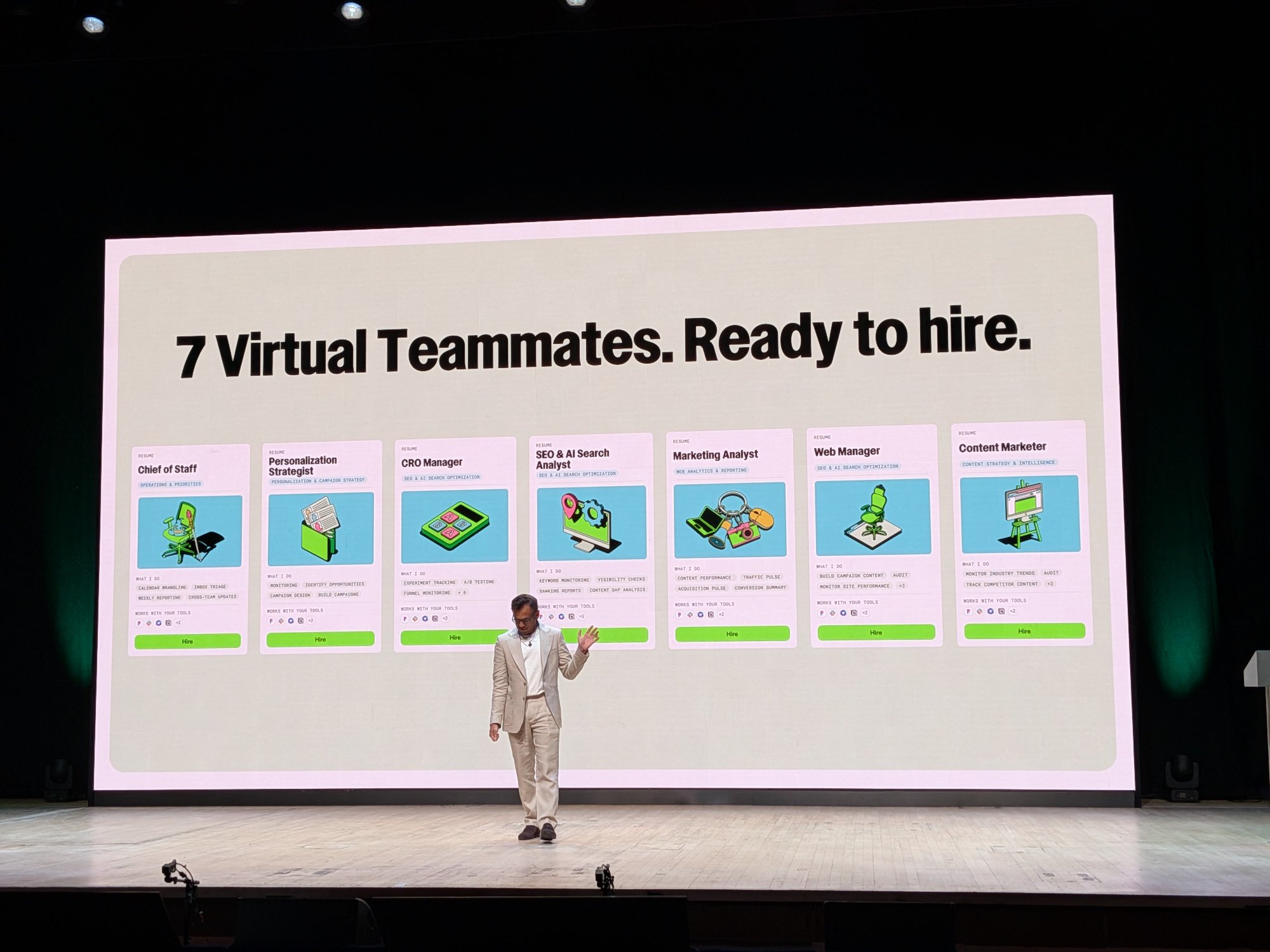
- AI becomes a digital colleague → Virtual Teammates
- Governance becomes the real bottleneck → Agent Platform (knowledge integration, quality evaluation, human-in-the-loop) and Agentic Content Ops
- Also see: Execution Guardrails, Output Evaluation and Execution Advisor
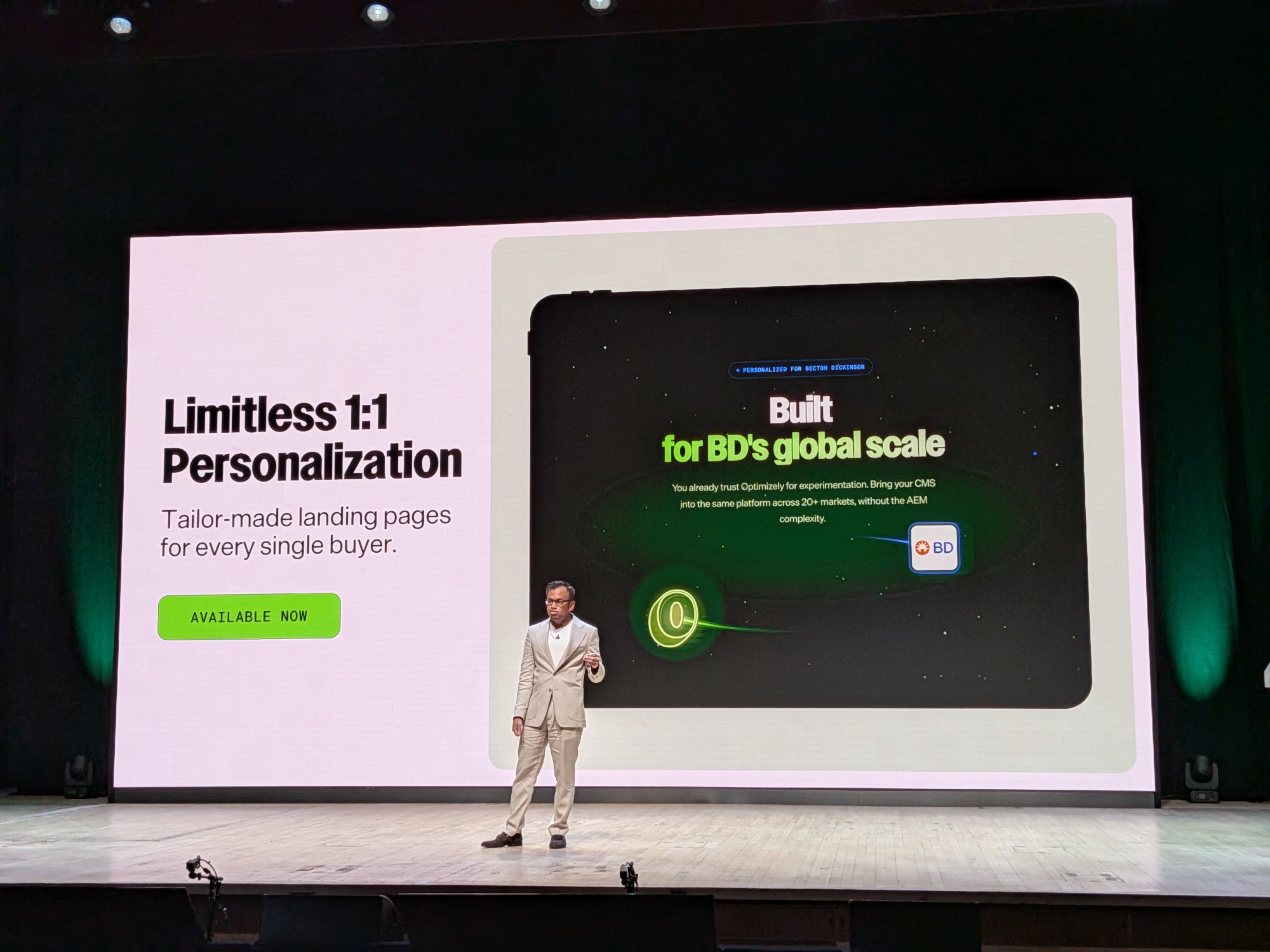
- Personalisation becomes continuous → Limitless Personalization and Dynamic Experiences
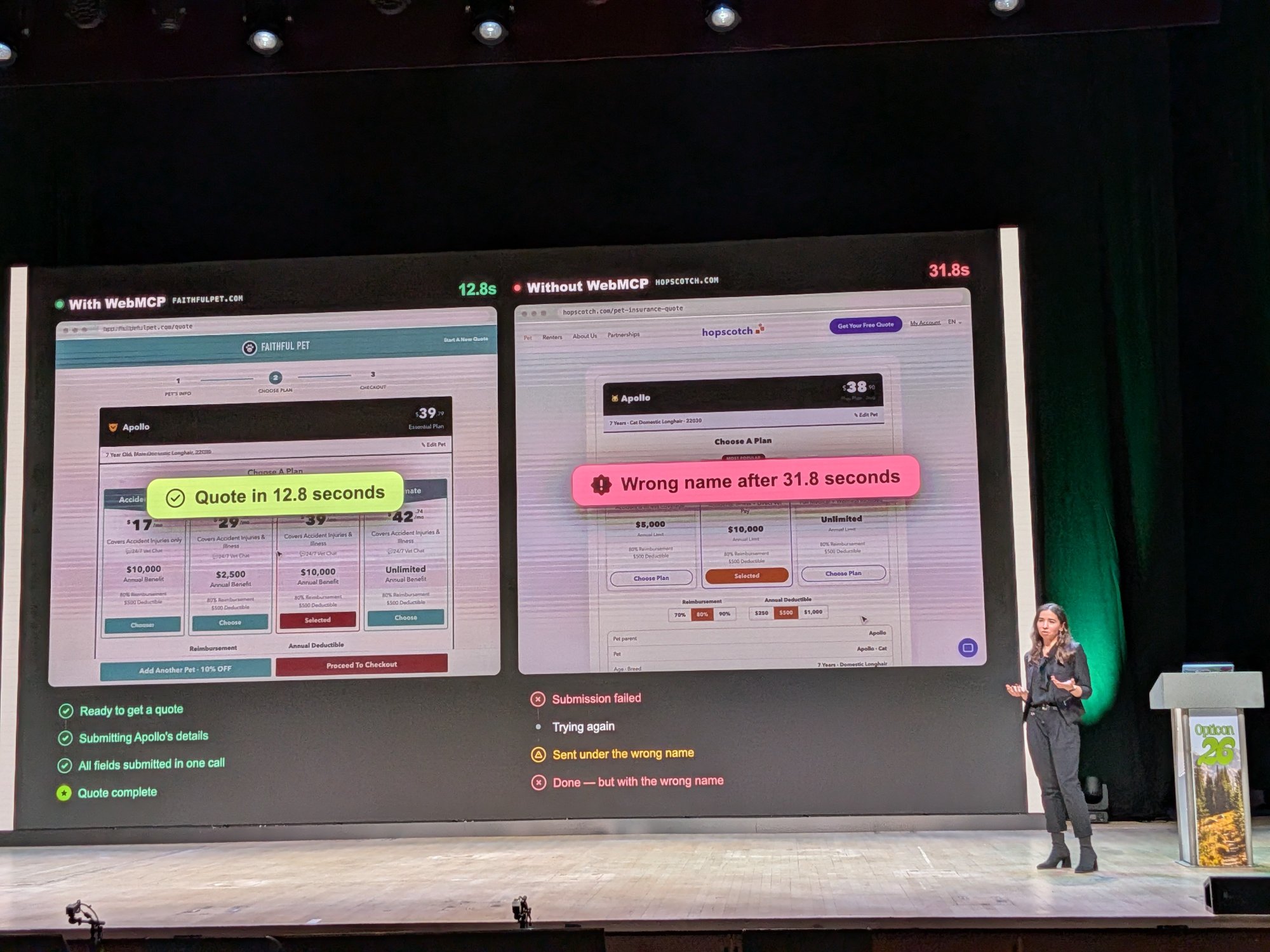
- Second audience: AI agents → Agentic CMS ("Stay visible automatically" -- SEO/GEO/AI), Agentic Commerce ("Commerce without clicks"), Agent Visibility and WebMCP
Seeing as the article is written in Dutch, I took the liberty of having Agent Platform / Mark translate it for me so that I could paste it below!
Note: this content was originally published on https://marketingreport.nl/william-parr-ai-vraagt-om-een-ander-operating-model by Saskia van Weert, and has been translated to English and enriched with several images below.
Camp Opticon 26 (London): AI requires a different operating model
Last year, AI was still often discussed as an experiment or a standalone productivity tool. Now the conversation is more about workflows, governance and measurable impact.
That was the main conclusion from Opticon London, Optimizely's leading conference for digital experience professionals. As an Optimizely Most Valuable Professional at iO, I had the chance to attend a conference where the conversations are clearly heading in a different direction.
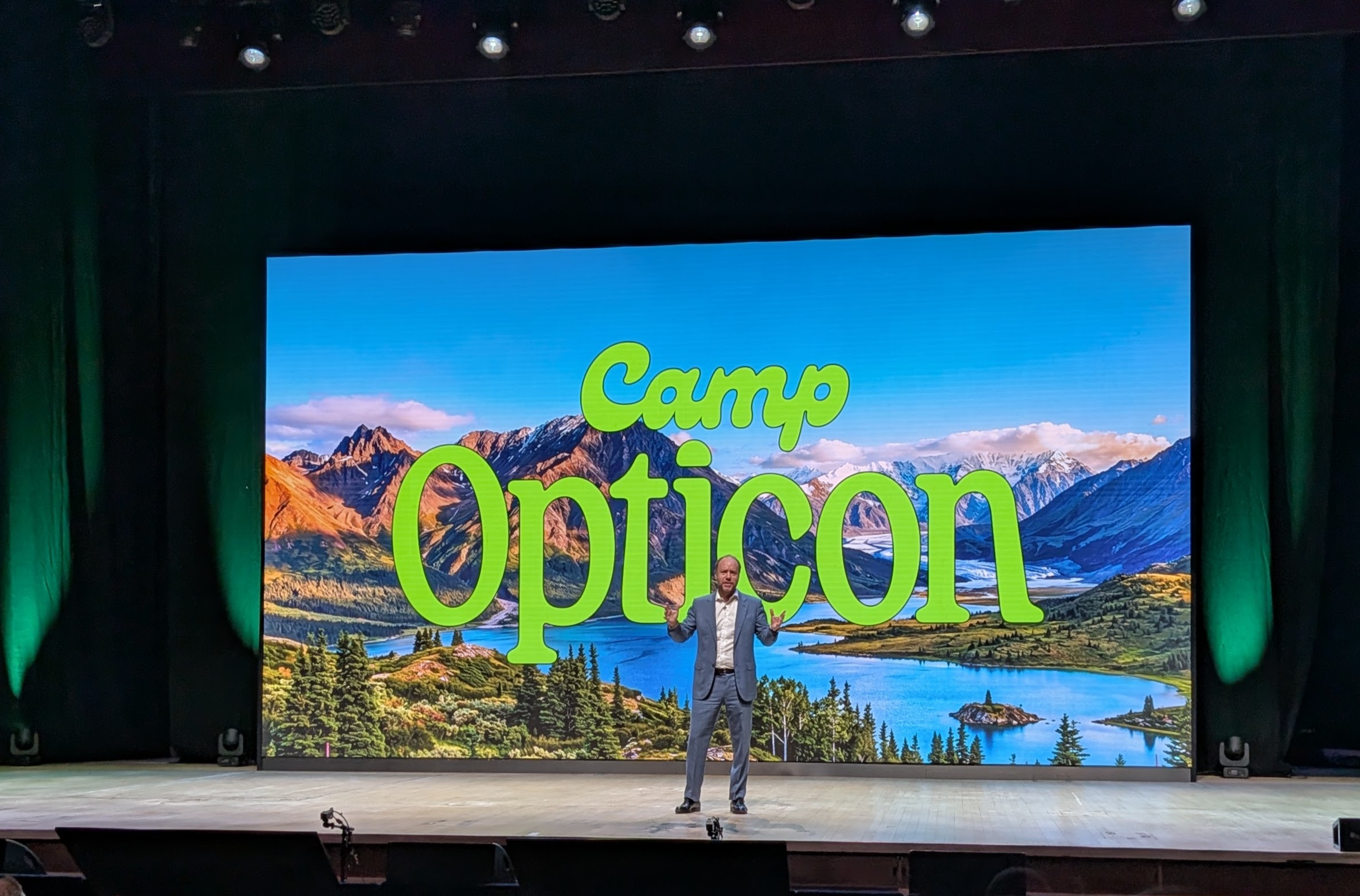
Here are five key insights:
1. AI becomes a digital colleague, not just a tool
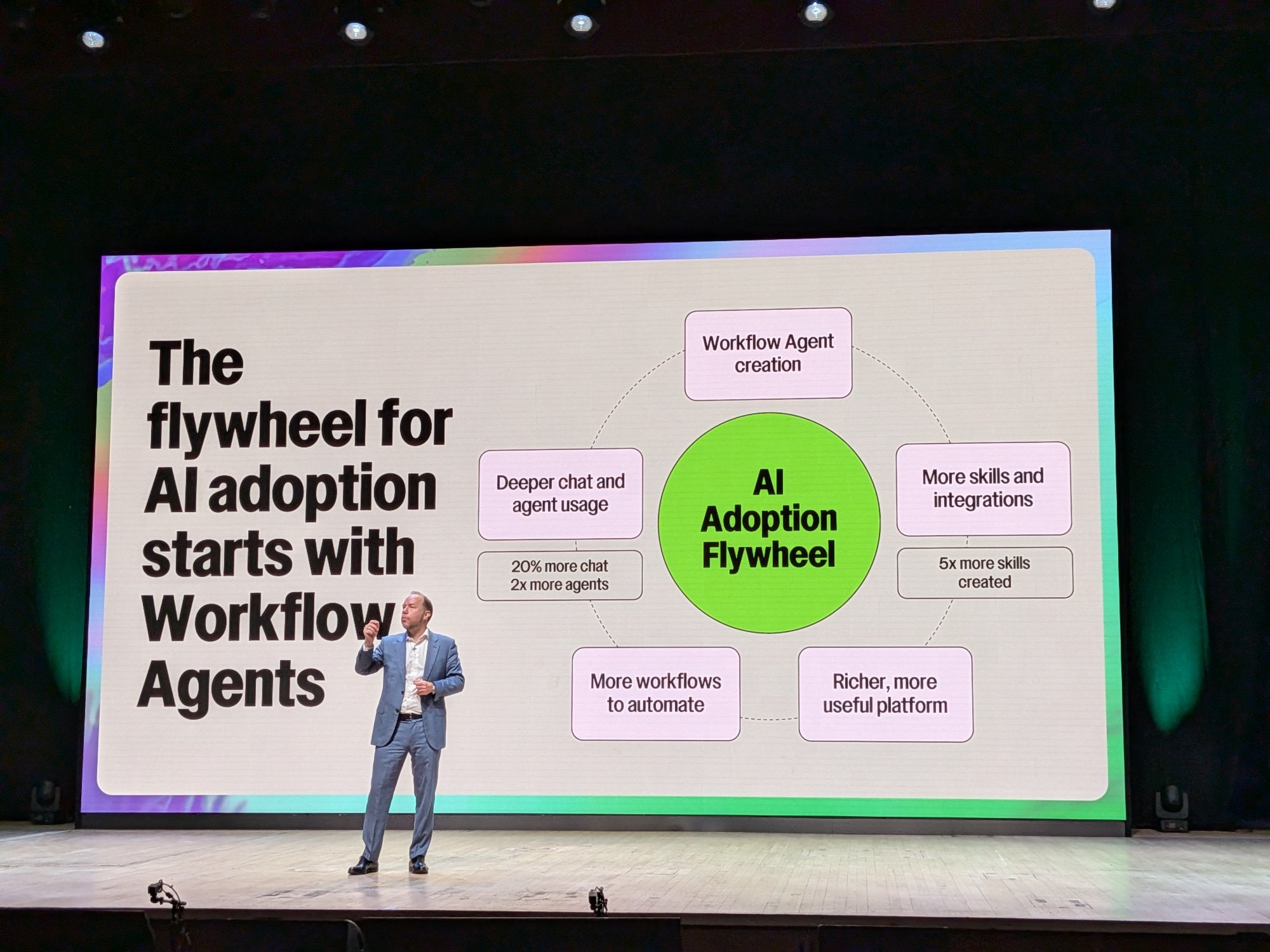
The most important shift isn't that AI writes better copy or generates images faster. The bigger change is that AI is increasingly given a role within teams, with tasks, permissions, context, memory and human checkpoints. This changes how marketing and digital teams organise their work. We are moving from "AI as assistant" to "AI as colleague", and that demands a fundamentally different approach to workflows, roles and governance.
2. Content production scales, but governance becomes the real bottleneck
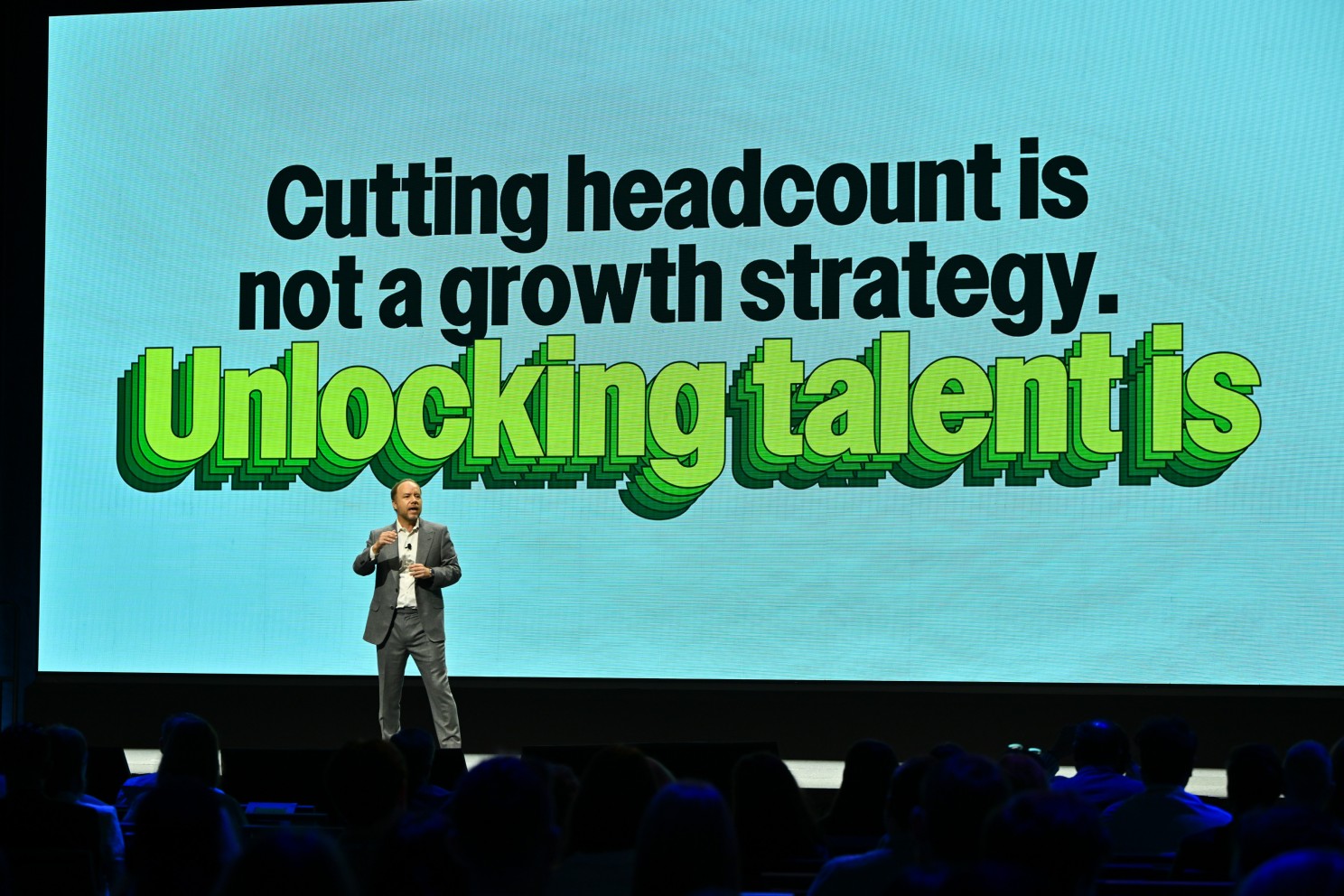
AI makes it easier than ever to create, translate, rewrite and personalise content at scale. But without a solid content structure, clear brand rules, defined approval flows and clear ownership, you mainly create more complexity and risk. The organisations that win are not those that produce the most content with AI. They are the ones that have built the governance infrastructure to manage that content. Investing in AI content governance is no longer optional. It is the foundation.
3. Personalisation becomes continuous, not campaign-driven
Most organisations still personalise or experiment on a limited scale today, simply because teams don't have enough time or capacity to build and test variants for every audience, every market or every page. AI fundamentally changes that. It enables continuous learning, testing and optimisation, but only if the right frameworks are in place. The shift from campaign-driven to continuous personalisation is one of the most impactful changes AI makes possible, and at the same time one of the least discussed.
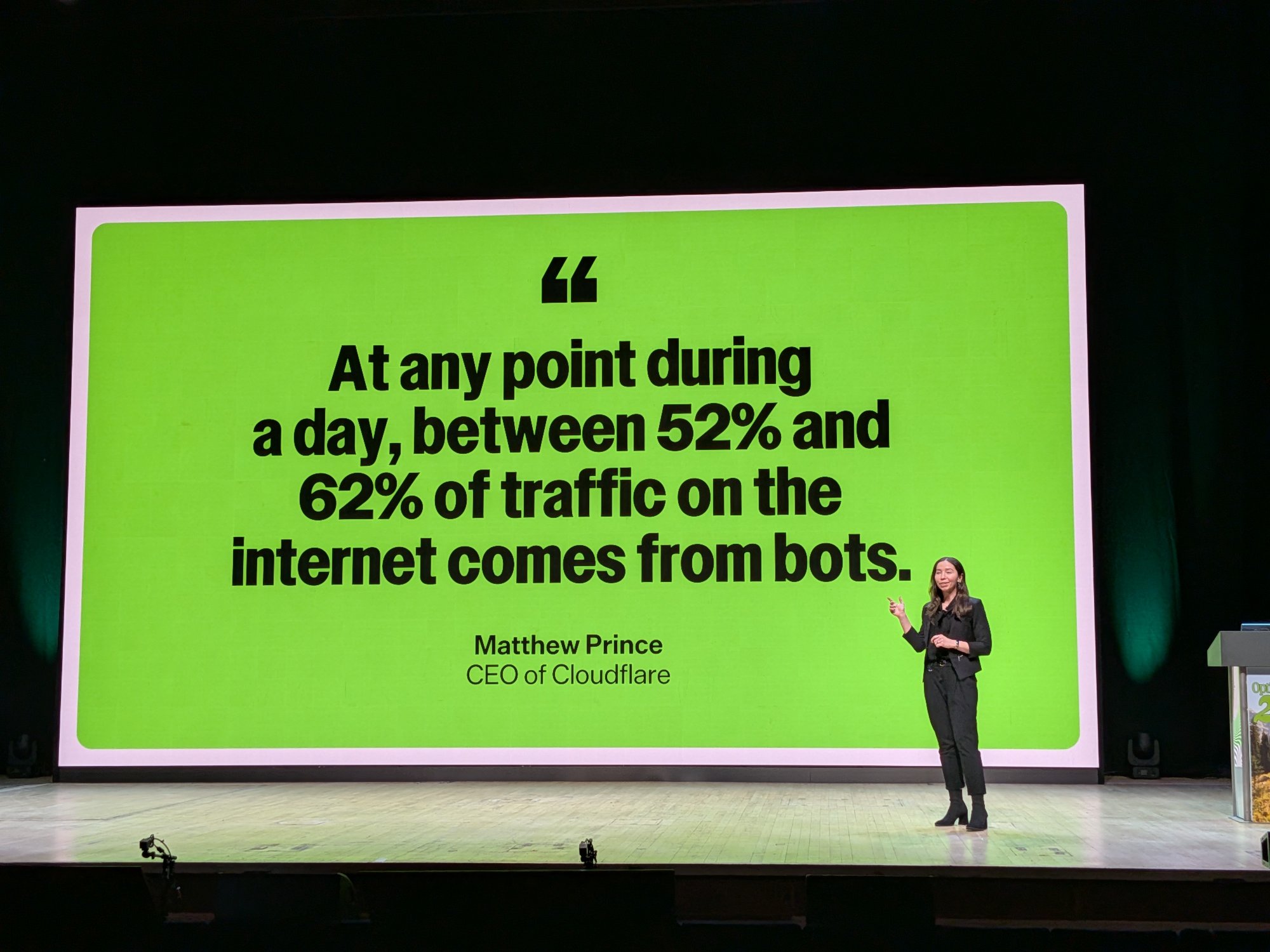
4. Your website now has a second audience: AI agents
Findability is no longer just about SEO and human visitors. AI systems increasingly read, interpret and cite web content, and in doing so they are becoming an intermediary layer between brand and customer. That means companies need to think about AI visibility: does an AI system understand your brand, your offering and your expertise? Are you part of the answers it gives? This is a new discipline that most organisations still aren't taking seriously enough.
5. The winners don't have the most AI tools, but the best operating model
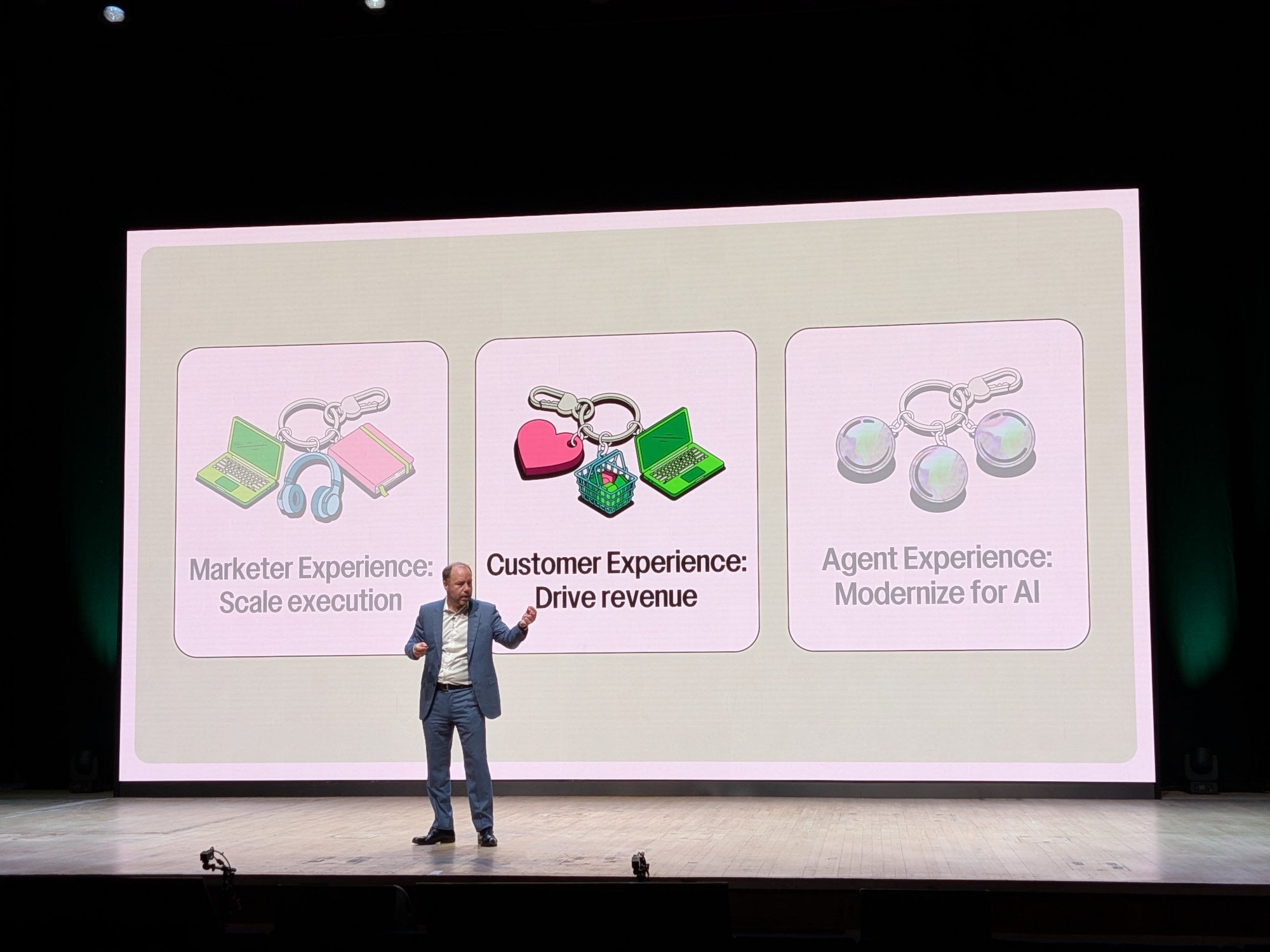
The biggest challenge is no longer "what can AI do?", but "how do we make AI safe, scalable and genuinely useful within our organisation?" The answer lies in the fundamentals: data quality, content models, workflows, roles, permissions and governance. Without that foundation, AI remains a collection of isolated pilots that consume budget without delivering results.
From separate tools to integrated operations
Across all five themes, I see the same underlying movement: the market is shifting from separate CMS, DXP and AI tools to integrated digital experience operations. Content, personalisation, experiments, analytics and AI are becoming more and more connected, and the platforms are evolving in that direction.
My key takeaway from Opticon is that the AI conversation is maturing. This aligns with what we increasingly see with clients: the challenge isn't only the choice of platform, but how content, data, technology, AI and teams come together in one workable operating model. Organisations that want to create value quickly need to look beyond the technology and focus on content structure, governance and the workflows that connect everything. Those who invest in structure, governance and collaboration now will get more out of AI later than organisations that simply add new tools.
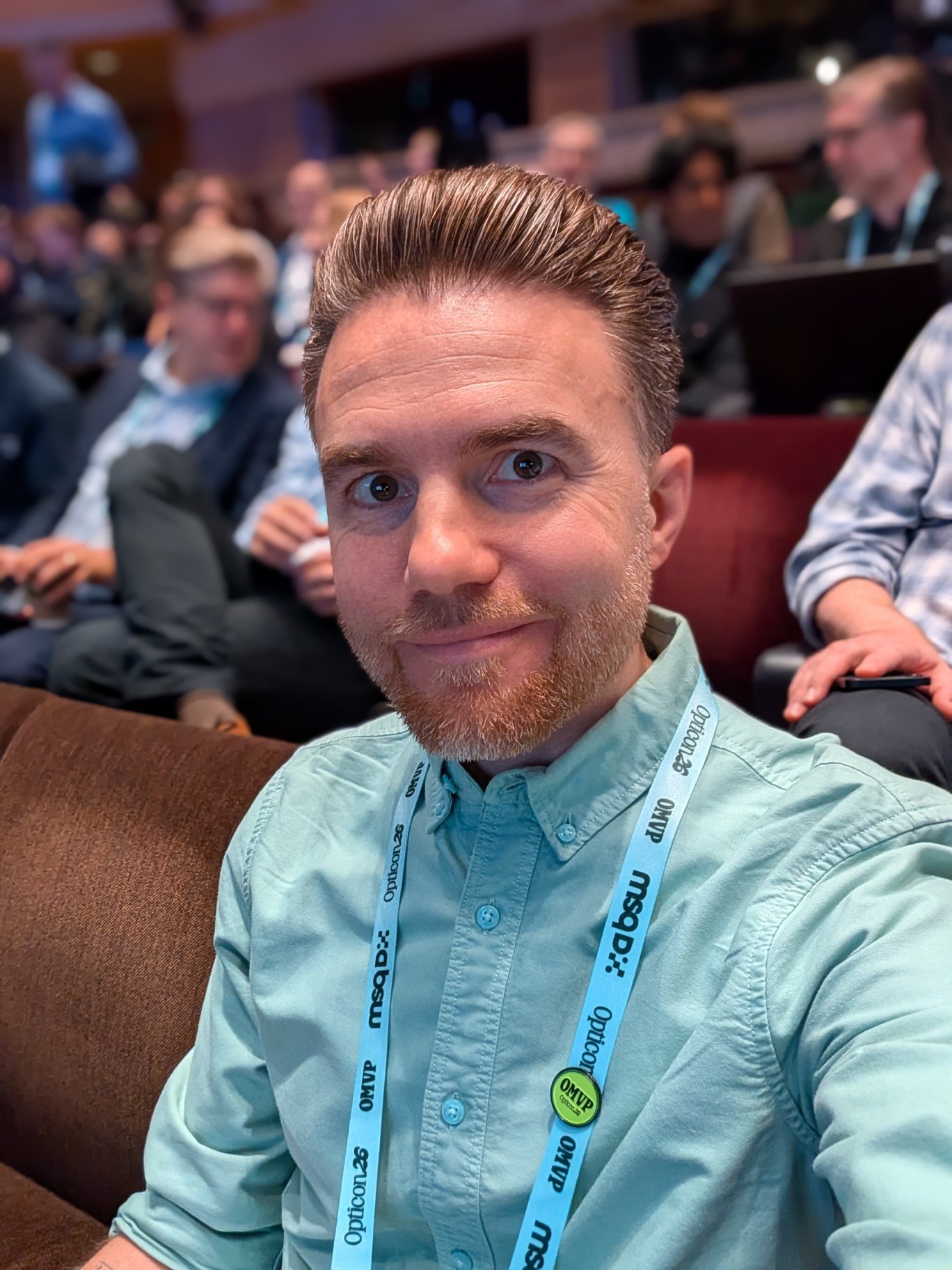
And with that, we're already having conversations with several customers based on the above and are looking forward to helping them prepare for this agentic era we're collectively venturing into. This year's Camp Opticon was another stellar edition and I am looking forward to seeing what Optimizely has in store for us in 2027!
Comments