
Unstoppable: Insights from Optimizely’s 2026 UK Partner day
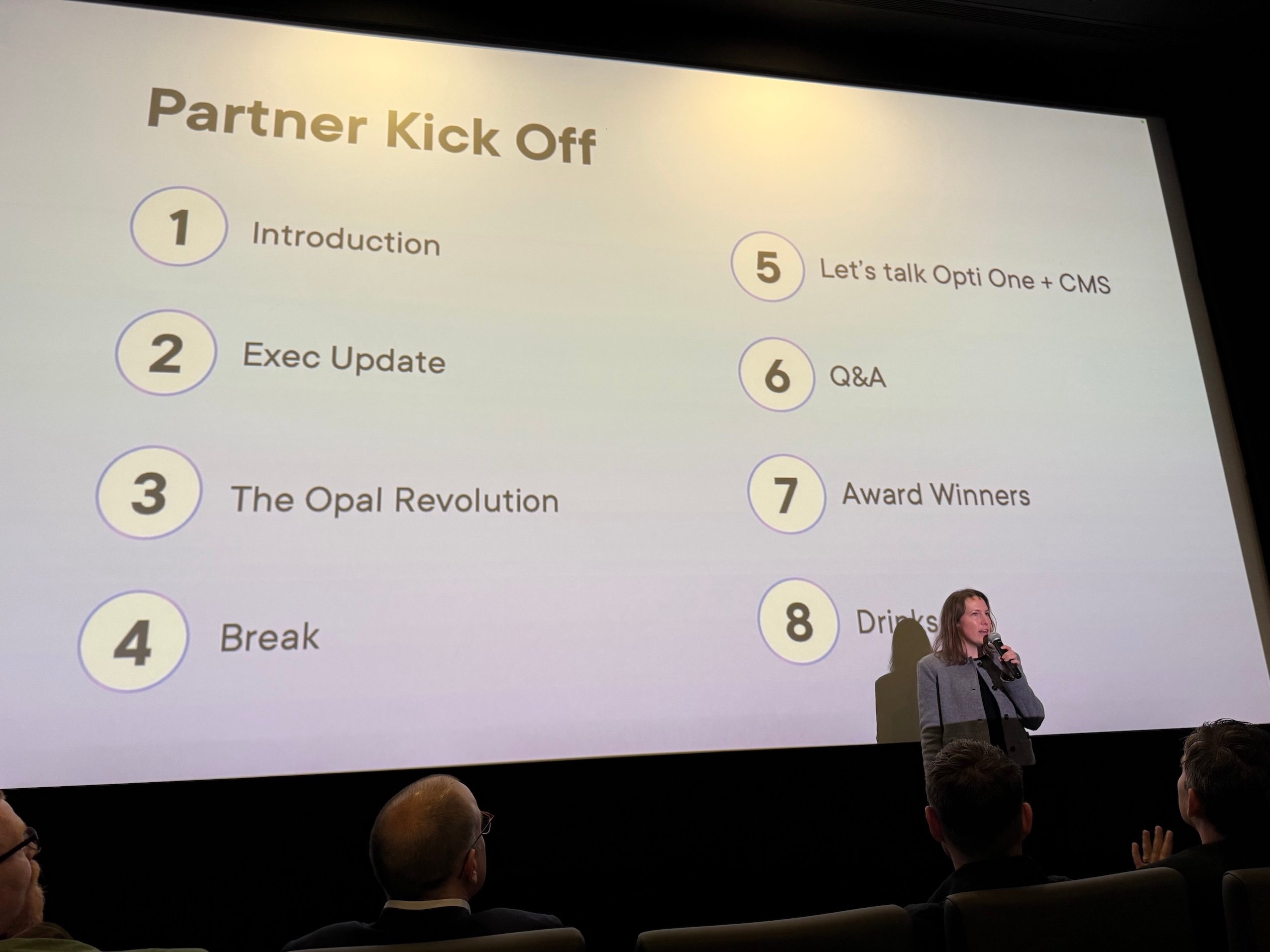
Over 150 Optimizely partners met in Shoreditch for the 2026 London Partner Kick Off. The theme was very much Opal with a side order of Optimizely's Simon Chapman bringing the "sexy back" to (the forthcoming) CMS 13.
Here's my 5 hot takes from the event:
1. Opal is No Longer Your Assistant. It’s Your New Co-worker
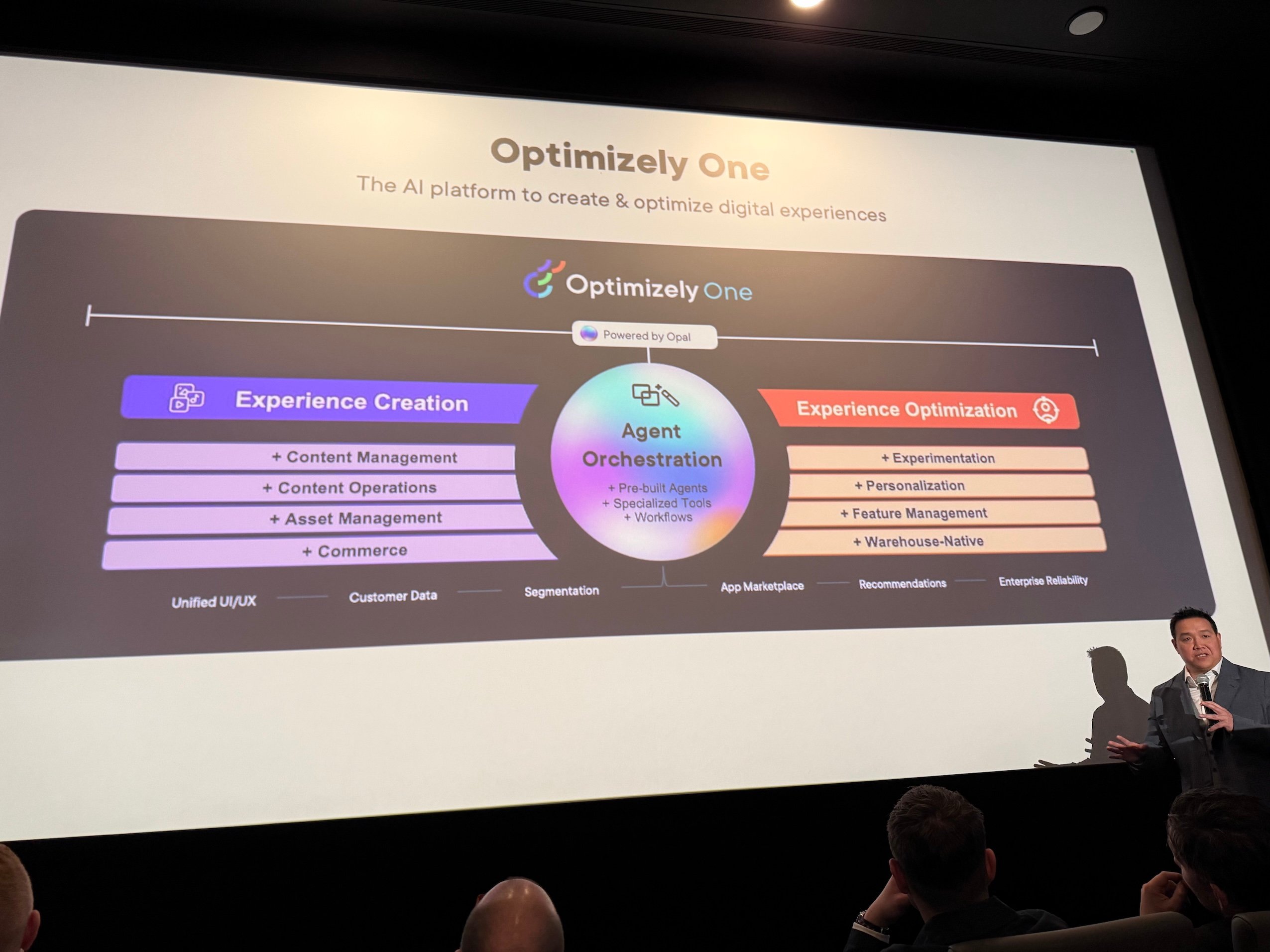
The most fundamental shift in the 2026 roadmap is the transition of Opal from a "sidekick" into a fully integrated "co-worker." We are moving beyond simple prompt-based AI and into the era of Agent Orchestration. These are autonomous workflows where agents, triggered by events or schedules, handle end-to-end tasks without constant human prodding.
As Optimizely CIO Peter Yeung put it: "Opal's not like a sidekick anymore; it's not your buddy. This is your co-worker who really helps you at every stage of what you do."
This agentic shift represents the "third rising tide" of technology, on par with the arrival of the internet and the explosion of smartphones. It allows your team to move from manual execution to a state of continuous, automated growth.
2. CMS 13 is Making the Agentic CMS Mandatory
Optimizely is reinventing its flagship product with CMS 13 and the technical bedrock is shifting. The philosophy is now "CMS Core," where features are built once to serve both SaaS and PaaS users simultaneously. With this update comes some significant steps forward. Key insider details for the CMS 13 rollout include:
- The Technical Foundation: Full support for .NET 10 and the implementation of Opti ID for centralised reporting, user rights, and audit trails.
- The Power of Graph: Transitioning to Optimizely Graph is no longer optional. It is the mandatory engine for semantic search and AI-driven content delivery.
- Visual Builder: To keep marketers "in the flow," the new Visual Builder provides interactive previews and drag-and-drop orchestration, officially sunsetting the Dojo interface.
- SaaS "Growing Up": Optimizely is bridging the gap for enterprise-grade requirements by allowing SaaS to connect to any external source, PIMs, ERPs, CommerceTools, or Bynder via the Optimizely Connect Platform (OCP).
3. The 'Crawl-to-Refer' Metric. Why SEO is Evolving into GEO
In 2026, marketing is no longer just about attracting human clicks. It’s a battleground on two-fronts between human engagement and how AI agents "read" your value. This is the era of Generative Engine Optimisation (GEO).
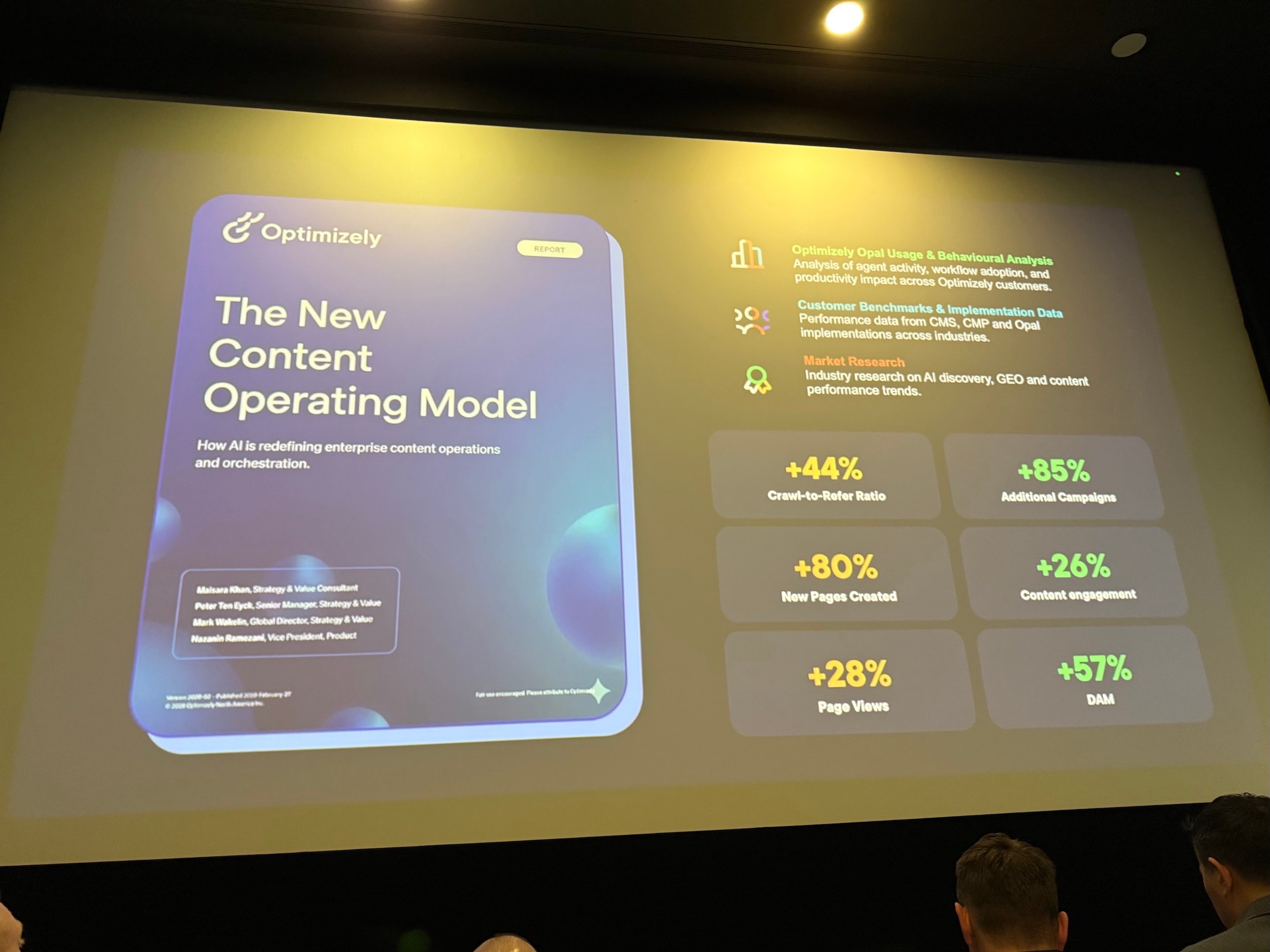
As Mark Wakelin, Optimizely's Global Director of Value Consulting, said the roadmap revealed a vital new benchmark. Customers using GDO (Generative Discovery Optimisation) agents have seen a 44% increase in the crawl-to-refer ratio from LLMs. This metric is the difference between an AI 'scraping' your data to answer a query on its own platform and that AI 'referring' a human visitor to your site to complete a transaction.
To navigate this, the GEO Recommendations Agent is now a roadmap priority. This tool audits your site for AI-readiness, identifying how well your content performs for search topics and generative schemas and can even auto-generate the .llms.txt files required for modern AI discovery.
4. The Secret Weapon for Devs. Production-Ready Code from Figma
The friction between marketing requests and developer capacity has long been a bottleneck in MarTech. CMS 13 addresses this with the Front-end Component Generator Agent.
This isn't just a code-snippet tool. It allows developers to pull information directly out of Figma frames to automatically create React components and content structures. The workflow is a structural change to the DevOps lifecycle. Agents generate production-ready code and push it directly to GitHub for review. By reducing development cycles from weeks to minutes, organisations can finally achieve true speed-to-market.
5. Transforming the Economics of Growth with Proven ROI
AI is not about replacing people. It’s about reclaiming time. The 10,000+ hours of GEO-optimisation backlog that many enterprise teams currently face but can never hope to clear. The 2026 strategy focuses on transforming these economics of growth by enabling teams to deliver more value with fewer constraints.
The data from the 2025 AI Benchmark Report and the New Content Operating Model provide the hard evidence for this shift:
- +78.66% in created experiments.
- -53.75% in time per campaign.
- +26% in content engagement.
- +9.26% in win rates for experimentation teams.
- +44% increase in the Crawl-to-Refer ratio.
By using agentic workflows to handle the heavy lifting. The compliance checks, metadata tagging, and reporting teams can finally reclaim their time for the creative tasks they were actually hired for.
Conclusion: The Rising Tide of 2026
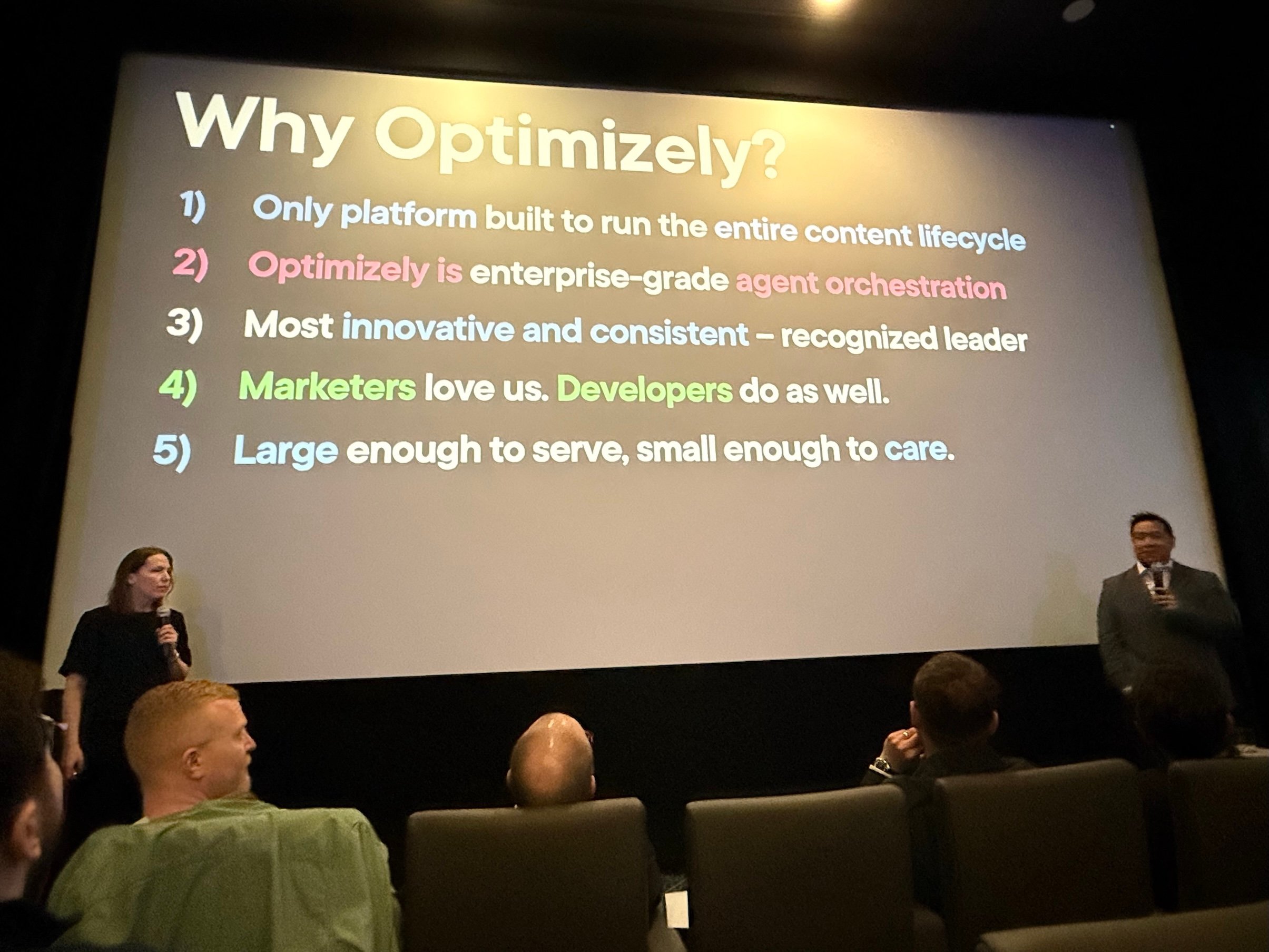
As we enter this third rising tide of technology, the roadmap is set and the agentic ecosystem is ready. Is your team steering their AI program into the safe passage of open water or onto the rocky shoreline?
To join the unstoppable journey, now is the time to get certified and specialised in the agentic future.

Comments